


Tax Justice SA (TJSA) has warned Finance Minister Enoch Godongwana to reconsider any increases to “sin” taxes in the upcoming national Budget on Wednesday, 24 February, arguing that higher excise duties could deepen the country’s illicit trade crisis.
The organization says South Africa’s illicit economy is costing the fiscus about R100 billion a year, roughly R250 million every day as illegal cigarettes, alcohol and other goods continue to circulate widely.
TJSA leader Yusuf Abramjee said raising taxes without fixing enforcement would drive consumers toward criminal networks rather than increase state revenue.
“You cannot tax your way out of a crisis you refuse to police,” Abramjee said. “Every reckless hike in excise makes the illicit traders richer and the taxpayer poorer.”
According to TJSA, illicit cigarettes now account for about 75% of the market, costing the state more than R30 billion in lost tax revenue each year. The illegal alcohol trade is estimated to strip out a further R16.5 billion annually and represents about 18% of total consumption.
Abramjee said these figures show that tax hikes alone cannot solve the problem. “When three in four cigarettes are already illegal, hiking taxes makes no fiscal sense,” he said. “They are a gift to organized crime kingpins who pay no taxes and are effectively subsidized by honest, hard-working South Africans.”
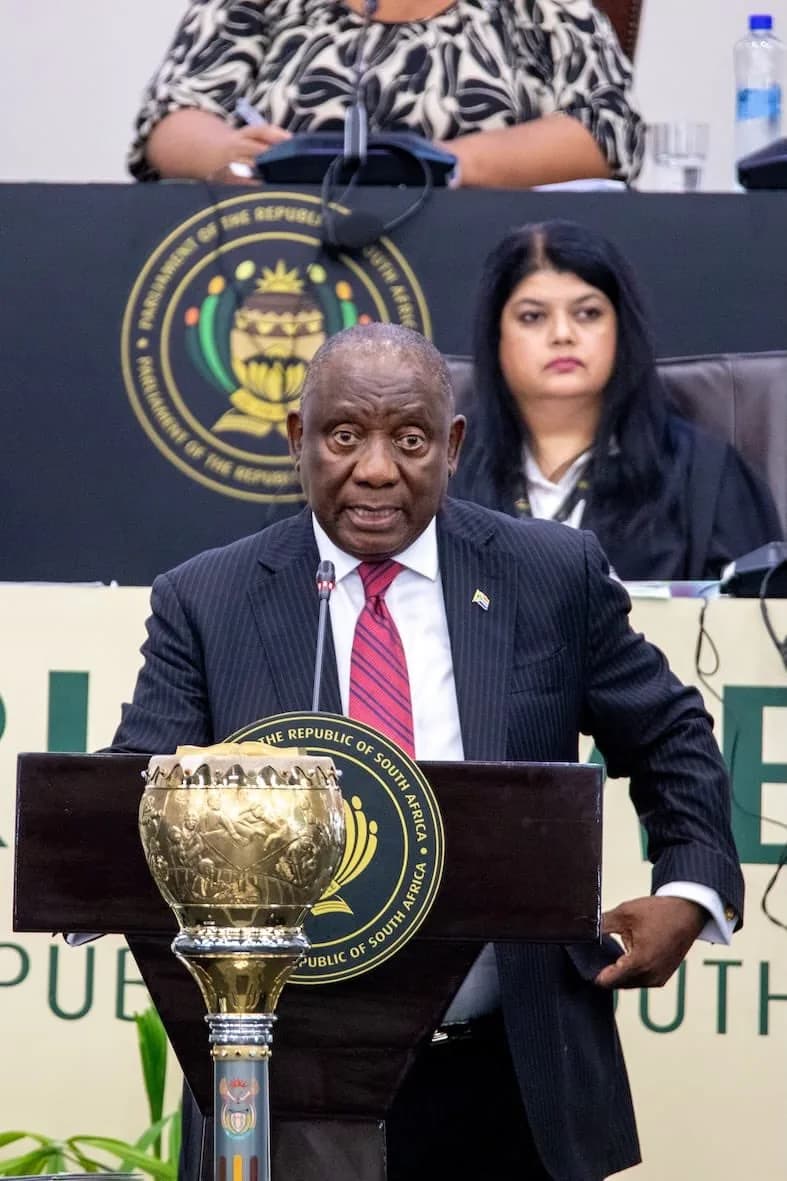
President Cyril Ramaphosa recently pledged in his State of the Nation Address to clamp down on illicit trade. TJSA says that promise must be matched with visible enforcement before any further tax increases are imposed.
The organization has urged National Treasury to prioritize border control, investigations and prosecution capacity to reclaim lost revenue. It also proposed that cigarette manufacturers be required to allow real-time monitoring by the South African Revenue Service inside factories as a condition for licensing.
Godongwana is expected to deliver the national Budget on Wednesday, with potential excise adjustments under close scrutiny from industry groups and anti-illicit trade advocates.